ITR Filing Last Date 2026: Why You Must File Your Income Tax Return Before 31 July
The last date to file your Income Tax Return (ITR) is 31 July 2026 for most individual taxpayers. Learn why timely ITR filing matters, the benefits of filing early, and the consequences of missing the due date.
By CA (Dr.) Arpit Yadav July 15, 2026
ITR Filing Last Date 2026: Why You Must File Your Income Tax Return Before 31 July
Filing your Income Tax Return (ITR) is not only a yearly tax routine , it’s a real financial responsibility. It keeps you in line with tax laws , but also somehow helps you look more organised on your financial track. Whether you’re a salaried employee, a freelancer, a business owner, a professional, or an investor, filing on time can keep you away from penalties, reduce annoying follow ups, and open up multiple financial perks.
For most individual taxpayers whose accounts are not required to be audited, the due date to file the Income Tax Return is **31 July 2026** (as per any extension announced by the Government). Every year, many taxpayers wait for the final days, thinking it’s ok… but then you end up with silly errors, refunds delayed, portal congestion, and sometimes even a total miss on the deadline, honestly.
This article tries to break down why you should file ITR before time, what benefits come with early submission, what risks grow when you delay, and the basic steps that can make the filing process smooth instead of stressful.
Quick Answer
What is the last date to file ITR for AY 2026–27?
For most individual taxpayers who are not required to get their accounts audited, the due date to file the Income Tax Return is **31 July 2026**. Filing before that helps you dodge late filing charges, avoid interest on any pending tax, prevent refund delays, and keep unnecessary compliance issues away.
Table of Contents
1. What is the ITR Filing Due Date?
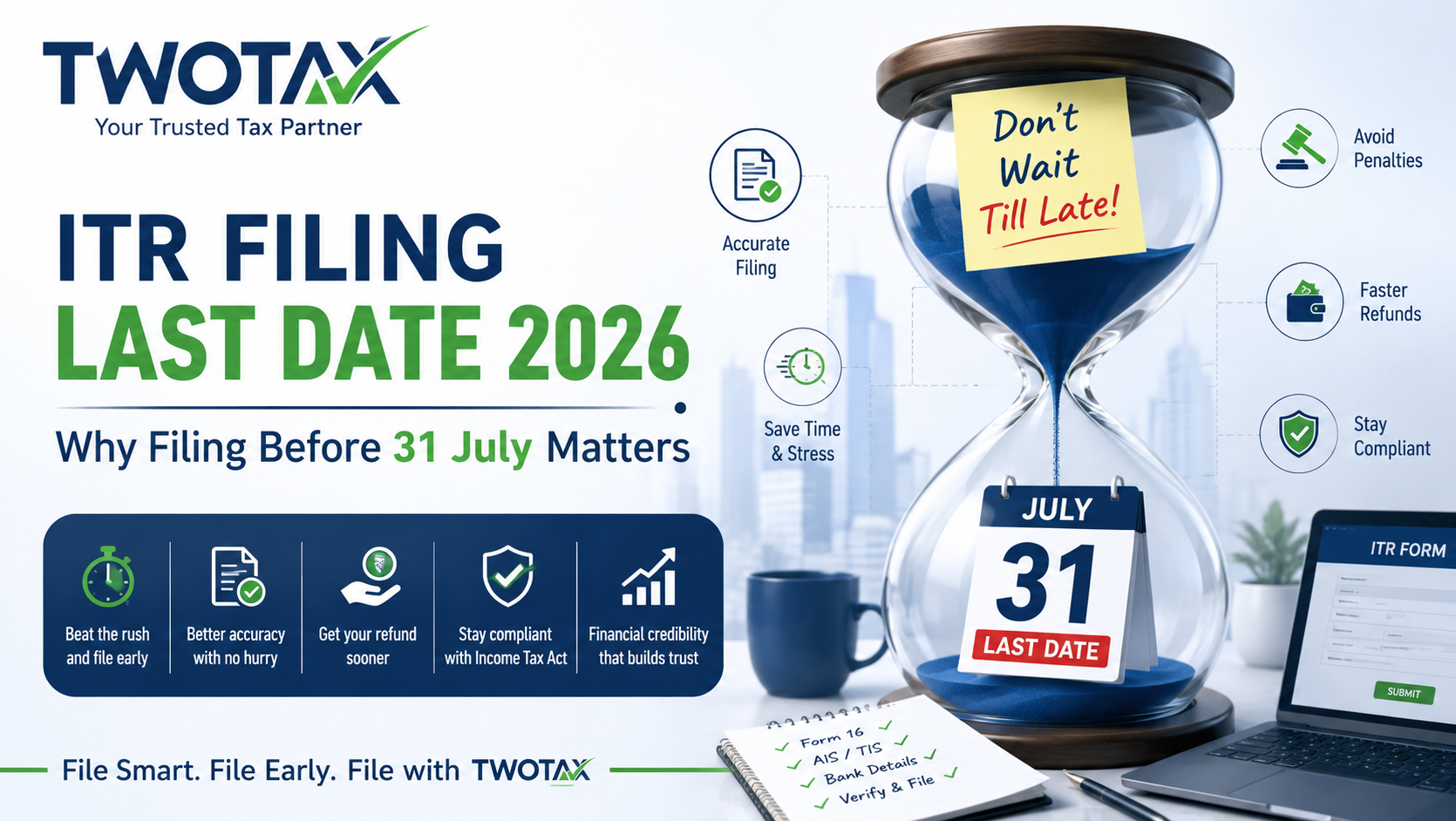
2. Why Filing Before 31 July Matters
3. Who Should File an Income Tax Return?
4. Top Benefits of Filing ITR on Time
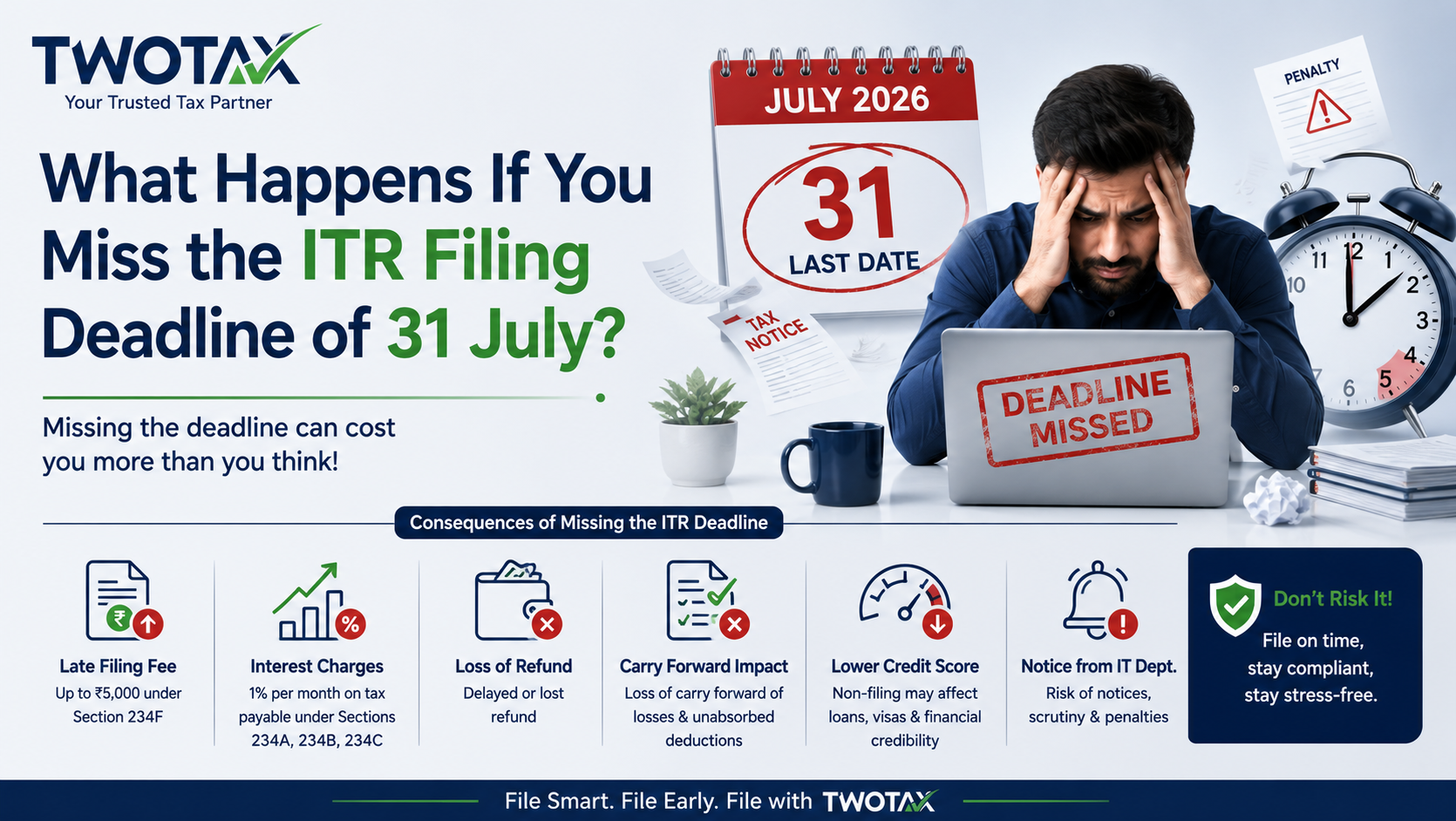
5. What Happens If You Miss the Deadline?
6. Common Reasons People Delay Filing
7. Why Early Filing Helps You Get Faster Refunds
8. Documents You Should Keep Ready
9. Mistakes to Avoid While Filing
10. Frequently Asked Questions
11. Final Thoughts
What Is the ITR Filing Due Date?
The Income Tax Return due date is the deadline mentioned under the Income-tax Act. It’s basically when taxpayers must report their income, claim eligible deductions, show already paid taxes, and calculate either any balance tax due or the refund you can receive.
For the Assessment Year 2026–27, the due date for most individuals and Hindu Undivided Families (HUFs) that do not require audit is **31 July 2026**.
Still, the due date may shift for some taxpayers , depending on the category. For example:
So please confirm the exact ITR due date for your own situation, not just the generic one.
Why Filing Your ITR Before 31 July Matters
A lot of people assume they can push filing until the last few days because it seems quick. But in practice, waiting closer to the deadline usually increases the chance of mistakes and also adds extra pressure.
When you file your Income Tax Return well before the due date, you get a handful of real advantages.
1. Avoid Late Filing Fees
If you cross the due date, late filing fees may apply under the relevant provisions, based on your total income and when you actually file. Filing on time helps you avoid those added costs.
2. Get Your Tax Refund Earlier
If more tax was cut from you via TDS or advance tax, filing early often lets the Income Tax Department process your refund sooner.
For salaried employees, and others expecting a refund, early filing usually means faster access to your own money, not months later.
3. More Time to Fix Errors
When you file early, you get time to do these things properly:
-
verify your Annual Information Statement (AIS)
-
match Form 26AS with your TDS details
-
review the Taxpayer Information Summary (TIS)
-
correct mismatched income details
-
rework the return , if needed, during the allowed period
If you wait till the last day, there’s basically no room left to notice and correct problems.
4. Better Financial Planning
Your Income Tax Return acts like a key financial record. Banks, financial institutions, and a lot of other organisations ask for ITR documents when they evaluate your financial status.
If you file on time, you support applications for things like:
-
home loans
-
vehicle loans
-
education loans
-
business loans
-
credit cards
-
higher credit limits
Plus, regular filing often signals discipline and can strengthen your overall credit profile.
5. Compliance With Tax Laws
Filing on time shows tax responsibility, and it reduces the chances of notices that come from delayed or missing returns.
Also, if you maintain a consistent filing history, your future tax processing becomes easier, and your documentation stays more straightforward.
Who should file an Income Tax Return ?
Lots of people think only someone with taxable income really needs to file an ITR. But actually filing can be both useful or required in a bunch of cases, depending on your situation, so it is not just about whether the tax feels “due” in the moment.
You should think about filing your Income Tax Return if,
-
Your income crosses the relevant basic exemption level.
-
Tax has been deducted at source , TDS.
-
You want to request a tax refund.
-
You have capital gains from investments.
-
You have foreign assets or income from abroad, and reporting rules kick in.
-
You plan to apply for loans , visas or similar approvals.
-
You want to carry forward eligible business or capital losses.
-
You satisfy any other filing conditions as per the Income-tax Act.
Even when final tax ends up being nil, filing an ITR can still give you long term financial value, not just legal comfort.
Top advantages of filing your ITR before the due date
-
Besides plain compliance, doing it early often brings benefits people simply do not notice.
-
Builds financial credibility
-
Your ITR usually works as solid evidence of your income and overall financial standing.
-
Supports visa applications
-
In many places, embassies ask for ITRs while reviewing visa cases especially for study, travel, or business related plans.
-
Helps for loan approvals
-
Banks and financial bodies often expect the last two, or even three years ITRs before they sanction a loan.
-
Lets you carry losses forward
-
If you fall under the applicable provisions, timely filing may let you carry forward certain business or capital losses, which can lower your future tax burden.
-
Cuts down last minute stress
-
Filing before the year end rush means less chance of technical hiccups, missing paperwork,. or avoidable mistakes.
Why people delay ITR filing
Even with all of that, many taxpayers still push the filing to the deadline. Some common causes are :
-
Waiting for Form 16 or other supporting papers.
-
Not being sure which ITR form is right.
-
Confusion around deductions , exemptions.
-
Thinking that no tax payable automatically means no need to file.
-
Feeling like the process is too complicated.
-
Just procrastination , plain and simple.
Most of these problems can be reduced if you start sorting documents early , and get professional help if you’re not fully sure where to begin, or what to claim.


.png)