Impact of GST 2.0 on Personal Care and Household Essentials in India
India’s FMCG sector (Fast-Moving Consumer Goods) is a giant in the economy, covering everything from food and beverages to toiletries and cleaning supplies. Personal care and household essentials are a big part of this sector. These include everyday items like shampoo, toothpaste, soaps, cooking staples, baby diapers, kitchen utensils, and more. Every day, millions of Indian households buy these products to stock their cupboards and bathrooms. In simple terms, FMCG goods are things people buy often and in small quantities, and they quickly move off the shelves. Because almost everyone uses them, even a small change in their prices or taxes can have a big impact on the average family’s budget and on the companies that make and sell these goods.
In July 2017 India adopted the Goods and Services Tax (GST) to replace a tangled web of earlier taxes (like sales tax, excise duty, etc.) with one unified system. Under GST, goods and services were classified into several tax slabs (like 5%, 12%, 18%, 28%). While this “one nation, one tax” approach simplified many things, critics still found it complex: multiple rates and complicated rules meant businesses and consumers often struggled to understand how much tax they would pay on each item. By 2025, the government decided it was time for the next big overhaul of GST ,often called “GST 2.0.” The goal was to simplify the tax rates further and give a break to the common man by lowering taxes on daily-use items. Many experts and officials talked about this reform as a way to ease inflation and boost consumption, especially since household spending was softer than expected. Prime Minister Modi himself hinted at these reforms in his Independence Day (August 15, 2025) speech, calling them a “gift” to people.
Key Changes Under GST 2.0 for Personal Care and Household Essentials
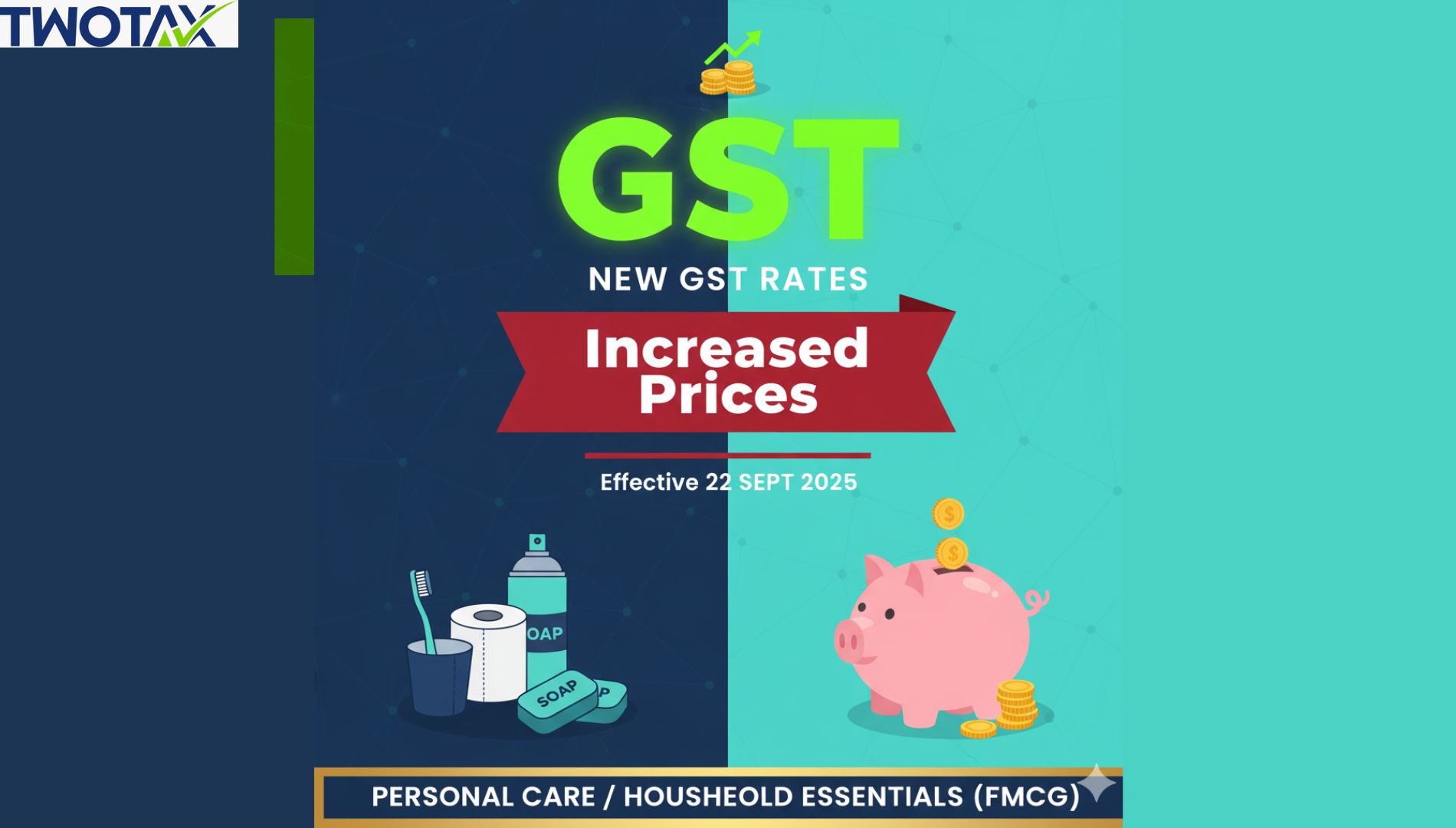
GST 2.0(sometimes called “Next-gen GST”) basically collapses the existing four-tier tax structure into a simpler two-tier structure for most goods ,either 5% or 18% ,plus a steep 40% for luxury or “sin” goods (like tobacco, pan masala, luxury cars, etc.). In practice, this means many everyday products see their tax rate cut from 12% or 18% down to 5%. Here are the main changes that matter for personal care and household items:
-
Personal care products:Almost all common grooming and toiletry items move to 5% GST. This includes things like hair oil, shampoo, toilet soap bars, talcum powder, toothpaste, toothbrushes, shaving cream, and the like. For example, toothpastes and toothpowders that were taxed at 18% now attract only 5% GST. So do many shampoos and soaps. Hand wash liquid and mouthwash remain at 18% for now, but the solid toiletries see big cuts. This is huge because personal care products are used by families every day. Cutting GST on them means their prices could drop significantly.
-
Household goods and appliances:Several items used around the home also become cheaper. Utensils, kitchenware, and tableware (plates, spoons, cookware) that were at 12% GST have moved to 5%. Even sewing machines and parts ,used in small home businesses or tailoring ,are now taxed at 5% instead of 12%. Baby-care products like baby feeding bottles, diapers, and napkins see their GST halved from 12% to 5%. Some small household appliances (like ironing boards, etc.) are at 5% too. In clothing and footwear, the threshold for the 5% rate has been raised: now any garment or shoe priced up to ₹2,500 has just 5% GST (it was ₹1,000 before). This helps middle-class families buy affordable clothes and shoes with less tax.
-
Food and snacks:While not “personal care,” many everyday kitchen staples also get tax relief. For instance, Indian breads (roti, chapati, etc.) are now exempt (0% GST) no matter what type, so there’s uniformity. Butter, ghee, cheese, and spreads move from 12% to 5%. Popular snacks like packaged namkeen, bhujia, and mixture (which were at 12%) also drop to 5%. Even ultra-high-temperature (UHT) milk becomes exempt, and various plant-based milks (almond, oat, etc.) shift to 5%. All these changes make basic grocery items more affordable.
-
Services (beauty and wellness):Some personal care services get a break too. Salon and wellness services (haircuts, facials, massages, gym classes, etc.) were taxed at 18% and will now attract only 5% GST. (One small catch is that businesses lose the tax credit benefit for inputs, but for customers it means cheaper salons and gyms.)
-
High-tax items:Not all changes are reductions. Some everyday luxury or “indulgence” items become more expensive. Things like cola drinks, energy drinks, pan masala, cigarettes, and luxury motorcycles/cars now attract a whopping 40% GST (plus any cess, although certain cesses are being phased out). This was done partly to offset the revenue the government will lose by cutting other rates. For consumers, it means your fizzy drinks or cigar will cost noticeably more, but those are not the typical household “essentials” anyway.
In summary, most items used in daily grooming and homemaking will become much cheaper, moving into the 5% tax bracket, while just a few categories shift to higher rates. The overall effect is that the tax on your shampoo and dish soap is slashed, but the tax on your soda or tobacco goes up sharply.
Timeline and Significance of the September 22 Update
The timeline for these changes is important. On September 3-4, 2025, the GST Council (the group of finance ministers who set GST policy) met and approved the new tax rates. This came after much discussion through the summer. The government then announced that the new rates would take effect from September 22, 2025. In other words, shops and businesses must apply the lower 5% rates (and other new rates) on all sales made on or after midnight of September 22.
Why September 22? A few reasons: It gives businesses about two weeks after the announcement to prepare their systems, labels, and inventory. It also coincides nicely with the start of the festival buying season in India (Navratri and Diwali are not far ahead). The idea is that the lower rates should come into effect early enough to help consumers during the big shopping festivals. The Finance Ministry even called this GST overhaul a “gift for every Indian this Diwali,” meaning people could buy essentials for lower prices for the celebrations.
Key dates at a glance:
-
August 15, 2025:Prime Minister signals major GST reforms coming (in Independence Day speech).
-
Sept 3-4, 2025:GST Council approves new tax slabs (decision announced widely).
-
Sept 22, 2025:New GST rates (5%, 18%, 40%, etc.) come into effect on purchases from this date onward.
This is a historic change ,one of the biggest GST overhauls since 2017. For the first time, India is moving to a simple two-rate system for most goods, after nearly a decade of multiple rate tiers.
Impact on Pricing and Consumers
For consumers, GST 2.0 is mostly good news. The everyday items that millions of people buy weekly or monthly will become significantly cheaper. How much cheaper? It depends on the product:
-
On items that fell from 18% to 5%, the tax component is cut by 13 percentage points. For example, if you used to pay ₹100 (base price) + 18% GST = ₹118 for a bottle of shampoo, after the change you’d pay ₹100 + 5% = ₹105. In simple terms, that’s a saving of ₹13 on every ₹100 of goods’ price. This is a big cut in the tax you pay. In practice, companies might reduce the sticker price or increase the quantity you get, but either way consumers benefit.
-
On items that were at 12% and are now 5%, the tax component drops by 7 points. So something that cost ₹112 (for a ₹100 item) will drop to ₹105, saving ₹7 per ₹100. Not as dramatic as the 18→5 cuts, but still helpful especially for bulk foods and snacks.
Experts estimate that FMCG goods will become around 5–12% cheaper on average. For ordinary families, this means grocery bills and toiletry spending will shrink. Imagine filling your basket with soaps, oils, snacks, and spices, and seeing the total come down noticeably. A pack of biscuits or noodles, if previously ₹50 with GST, might now be under ₹47. A bottle of shampoo could drop by 8–10%. The exact drop depends on how much of the tax cut the seller passes on. Many analysts expect retailers to pass most of the tax benefit to customers to stimulate sales, but some companies might delay price cuts by offering bigger pack sizes first (e.g., a 100g pack becoming 110g).
In everyday language: your essential goods just got a tax holiday. This means families save money every time they shop for the kids’ snacks, mother’s shampoo, or their own toothpaste. Over a month, that could easily add up to hundreds of rupees in savings for a typical household, which is a nice little bonus in times of high inflation. Indeed, some economists say these tax cuts might shave about a percentage point off inflation, which means grocery inflation slows down, letting people breathe easier about rising costs.
There are some goods that will be more expensive, but those tend to be luxuries or not part of a normal household budget. Carbonated and energy drinks, tobacco products, luxury cars and bikes now have 40% GST, which means they will definitely cost more. But that’s sort of deliberate: the government wants to discourage or tax higher those items, and as a side effect they make up revenue lost from the other tax cuts.
Overall, for the average consumer: - Monthly budgets should feel lighter. Everyday bathroom and kitchen items will cost less than before. - More purchasing power. With the tax down, a family may either buy the same goods and pay less, or afford a little more of them with the same money. - Lower inflation pressure. Especially food inflation, since staples and cooking goods are cheaper. - Enhanced festive purchasing. Going into the festival season, this is like having a discount card on many purchases.
Impact on Manufacturers, Retailers, and Distribution
This tax shake-up is a big change for everyone in the supply chain, from the people who make products to the shopkeepers who sell them.
-
Manufacturers (FMCG companies):These firms have to rush to update everything. They need to change their product prices and labels to reflect the new 5% GST. Many companies are actually holding back production of old stock to avoid getting stuck with products labeled with the old (higher) prices. They are re-programming machinery and printing new price tags for packages. For example, a biscuit maker might redesign its packaging so the printed MRP (price on the pack) includes the new, lower tax. This takes time: designing, printing, and applying new labels or cartons. Companies are also planning logistics so that trucks deliver the new-tax goods to stores as early as possible after Sept 22.
Some companies will simply add a little extra product to avoid changing the price. For instance, instead of lowering the price of a ₹100 pack of cookies, they might make it 105g instead of 100g. This is called “grammage addition.” It lets consumers feel the benefit (they get more cookies) while the price sticker stays unchanged. This trick works for snacks where you can slightly increase weight. In tight packages like small chocolate bars or biscuits, they might need to actually reprint the package anyway.
-
Retailers (shops and supermarkets):Store owners must update their billing systems and plans. Point-of-sale (POS) machines and software need the new tax rates loaded, so scanners ring up the right amount. Shopkeepers will also try to get new stock with updated prices quickly. Some big stores might have leftover inventory bought at old prices ,they have to decide whether to sell those at a lower margin or try to rebuy. Retailers will likely advertise the savings to customers, but they also need to make sure they don’t run out of goods. In the first days after Sept 22, stores might still have older stock on shelves, so prices may only gradually show the cut. Many retailers have been slowing down purchases of old stock, waiting for clarity from the government on how to handle the transition.
-
Distributors and warehouses:Companies and distribution centers will try to prioritize shipping the new stock to places where the old prices have run out. Distributors are caught in between: if they have piles of old-invoice products, they may either demand a refund or discount from the manufacturer, or simply mark them down. Industry leaders say there’s still confusion about how manufacturers will compensate distributors and retailers for products already paid for at the old tax. Clear rules on refunds or credit notes would help. The logistics networks have to be agile, especially as demand could spike with all this “sale” going on.
-
Compliance and administration:On the technical side, companies have to update their GST compliance. Returns and invoices from Sept 22 onward use the new 5% or 18% rates. In a way, filing returns becomes a bit simpler (fewer slabs to handle), but in the short term there’s work in re-educating staff and updating accounting software. Government tax officials will be vigilant to ensure the correct rates are applied. In the long run, the simpler two-slab system means fewer classification errors and easier audits for these items.
In effect, everyone in the chain must coordinate closely. Manufacturers must finish new packaging and pricing; distributors must rotate stock; retailers must pass on the savings to customers in one way or another. Industry reports suggest that from the very first day (Sept 22), companies want the lowest-priced items to hit shelves ,so shoppers see the benefits immediately.
Challenges and Concerns for Businesses
While the tax cuts are welcome, the transition isn’t without headaches for businesses:
-
Old Stock Management:Thousands of tons of products are already made with old price labels. What to do with these? Some companies hope to “re-sticker” them by printing new price labels over the old ones (with government approval). But that’s only a short-term fix and can be costly. If re-sticker isn’t allowed or too slow, companies might need to dump or deeply discount old inventory, or reimburse retailers for the price difference. In small or low-value items, adding a few grams (as mentioned) is easier, but in many cases packaging changes are unavoidable. Pack makers say updating designs and getting new packaging materials may take 4-6 weeks, causing some turbulence after the change.
-
Retailer Reimbursements:If a distributor sold a shop goods at old price (higher tax) and now the tax is lower, who pays the difference? Industry groups have requested the government to clarify if manufacturers must compensate retailers. Right now this is unclear. Some retailers may demand a refund or future credit. Until this is sorted, many retailers are hesitant to order large quantities, worrying they might be left holding loss-making old stock.
-
System Upgrades:Smaller businesses, especially tiny shops (kiranas), must quickly upgrade or reprogram their billing software, which can be a challenge if they are not tech-savvy. They need support to ensure the new rates are correctly applied. Big chains have IT teams to handle this, but smaller players might find it stressful initially.
-
Cash Flow and Pricing:If companies pass the full tax cut to customers immediately, their revenues per unit fall. Some worry about short-term margin pressure. However, better affordability should boost volume sold, potentially offsetting the margin loss. Manufacturers will be watching consumer response. There’s also fear that companies might be tempted to delay passing on the cut fully, keeping prices higher and absorbing some extra profit. To prevent this, consumer watchdogs and the government may monitor prices.
-
Logistical Jitters:In the early days after Sept 22, there might be some supply glitches. Some dealers expect a “choppy September” where stock is shuffled around and some items are briefly unavailable at the new lower prices. For example, if a city receives old-stock goods at higher price just before the switch, local retailers may wait a few days to restock from central warehouses with updated stock.
In plain terms, businesses need a well-planned game plan to adjust. Many companies have been working in overdrive since early September: pausing older product runs, printing new boxes, training staff, and communicating with distributors. Some have even started test runs of new pricing in select outlets. The common message is: “We want to have new, cheaper products in stores by the time the new law kicks in.” But getting there involves complex logistics and cooperation across the supply chain.
Broader Economic and Market Implications
The impact of GST 2.0 goes beyond just shampoo and soap. It has big-picture effects on India’s economy and markets:
-
Consumer Spending Boost:Making daily-use products cheaper effectively raises consumers’ disposable income. People can either save that extra money or spend it on other things. In either case, overall consumption is likely to rise. Economists note that consumption was still a bit sluggish, so this tax cut is a tool to revive demand. More sales of FMCG goods, clothes, and even appliances (like TVs and ACs, since those are taxed less now) could nudge up GDP growth.
-
Inflation Check:India has been battling higher inflation, especially in food and household goods. By cutting GST on those items, the government is deliberately trying to bring down inflation. Early estimates suggested the reforms could shave around 1–1.5 percentage points off headline inflation. If that materializes, it eases the pressure on the central bank and on family budgets.
-
Government Revenue:A side effect is that the government will collect less tax revenue in the short term. The Centre estimated around ₹48,000–50,000 crore loss of GST revenues in the current fiscal year from these cuts. States will also see lower collections. However, the hope is that higher economic growth and improved compliance will make up for it over time. The government is prepared to borrow or cut expenses to cover the gap. This trade-off (less tax revenue now, more growth and potentially more tax revenue later) is common when governments try to jump-start the economy.
-
Stock Market Reaction:In financial markets, FMCG stocks and consumer-related companies are seen as beneficiaries. Cheaper taxes usually mean better demand for their products. For example, shares of big consumer-goods firms like Hindustan Unilever, Dabur, and Godrej are likely to get a boost. Similarly, manufacturers of refrigerators, TVs, and ACs may see a pickup, since those goods got cheaper GST (28% to 18%). On the other hand, companies in sugar-sweetened beverages and tobacco might see pressure on demand or stock prices since their products are now taxed heavily. In sum, market analysts expect a rotation of funds into FMCG and consumer discretionary sectors at the expense of “sin good” sectors.
-
Formalization and Compliance:Over time, simpler tax rates could mean better GST compliance. Small businesses might find the tax law easier to understand, and the risk of honest mistakes goes down. This could bring more shops into the formal tax net, which is good for long-term revenue. Also, some analysts pointed out that reduced tax burden on essentials has a higher “fiscal multiplier” than cutting income taxes ,meaning it’s more likely to boost economic activity significantly.
-
Social Impact:Economically weaker sections of society stand to gain relatively more. Lower-middle-class families spend a larger share of their income on things like food, soap, and school supplies. When those items get cheaper, poorer families feel a bigger relief in real terms. This is a form of targeted indirect support (tax relief) without direct subsidy cheques.
Overall, GST 2.0 is a strong signal that the government is focusing on making life easier for “everyday” expenses. By design, this may dampen inflation and encourage spending, which is especially important in a year where growth needs a boost. Market and consumer sentiment is likely to improve: people love the idea of paying lower taxes on routine purchases, and businesses can advertise “GST savings” promotions.
On the flip side, if for any reason the benefits aren’t fully passed on or if supply bottlenecks occur, the intended economic kick might be smaller. But broadly, this reform is seen as pro-consumer and pro-growth.
Future Outlook for the Sector under GST 2.0
Looking ahead, the personal care and household essentials sector may change in subtle ways under GST 2.0:
-
Companies may innovate on pricing and packaging.As noted, some may opt to add grams to packs or introduce slightly larger family packs rather than cut the MRP. We might see new SKUs (stock-keeping units) tailored to the 5% rate. For instance, a 1-liter cooking oil bottle that had 12% GST could be reformulated into a 950ml bottle at 5% for the same price. Expect product engineers and marketing teams to come up with creative ways to make the tax advantage visible to shoppers.
-
Competition could heat up.Smaller and newer brands might see this as an opportunity to gain market share. With tax-lowered pricing, they could undercut established brands to grab attention. At the same time, big brands might run promotions touting the “GST benefits” to stay competitive. Retailers will likely place more emphasis on highlighting products in the 5% bracket since those give customers more savings.
-
Supply chains will adjust long-term.Companies will eventually normalize their production and packaging processes for the new rates. The initial chaos of switching over will settle. But the lasting change is that manufacturers will keep two pricing models in mind: one for 5% goods and another for anything at 18%. Over time, some products currently at 18% might be re-evaluated for inclusion in the lower bracket (subject to future GST Council decisions).
-
Government policy direction.The success or pain of GST 2.0 could shape future tax policies. If it works well, the government might consider further simplifications. For example, if inflation stays low, they could think about reducing the 18% rate for more categories. Conversely, if revenue shortfalls become a problem, the government might look for ways to compensate (such as removing exemptions or adjusting duty on other goods).
-
Consumer behavior.In the short term, people will probably buy more because of lower prices. In the medium term, once consumers get used to the new prices, the stimulus effect may wane a bit. The key is that the reforms have set a new normal for tax on essentials. Consumers who used to think of a certain MRP for shampoo or biscuits will now expect that the price stays around that lower level. The official tax cut essentially “locks in” a portion of inflation savings.
-
Budget and funding:The government will keep a close eye on revenues from GST in the coming year. If the economy grows strongly (thanks to revived consumption), it could offset the initial shortfall. If not, there could be adjustments in future budgets, such as rationalizing some other taxes or finding non-tax revenue sources.
In summary, GST 2.0 is a positive development for the personal care and household essentials sector and its consumers, at least in the near term. It lowers the price barrier for many goods, and that typically means higher sales volumes. For the consumer, it’s a welcome relief on the wallet. For businesses in this sector, it’s a huge project to implement, but it could ultimately expand the market.
As this reform rolls out, one thing is clear: daily life in India’s markets is about to change. The next time you step into a grocery or pharmacy, you’ll likely see a notice about new GST rates and maybe some “price drop” tags on familiar items. That’s GST 2.0 in action. Overall, this move is meant to make buying the things people need cheaper, giving everyone ,from rural households to city families ,a little more bang for their buck.