Connect with us for all your queries


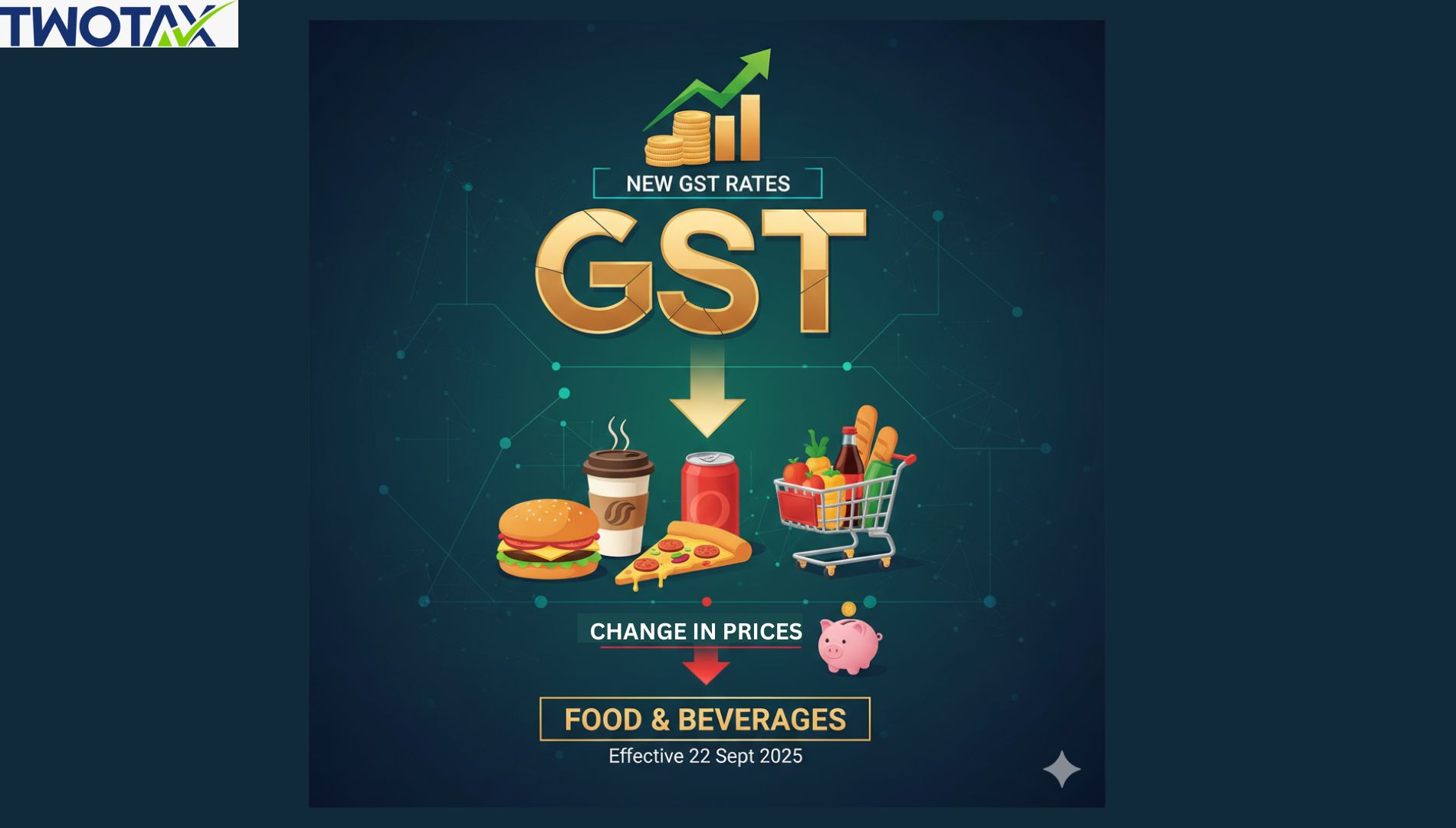
In short, GST changes 2025 mean simpler tax rules. Instead of multiple slabs, food and drink now mostly fall into either a low 5% bracket or a zero bracket (for staples). One big impact is that GST on food items like snacks, bakery goods and drinks will typically be much lower, while sugary sodas become more expensive.
Many basic food items are fully exempt from GST under the new rules. That means you pay no GST on these essentials. Key zero-rated items include:
- Grains and flours: Rice, wheat (atta/maida), maize, millet, sorghum and other whole grains are now 0% GST. (If they were taxed earlier, they’re now free of GST.)
- Pulses and lentils: Most dals (lentils like toor, moong, chana, etc.) and pulses are tax-free.
- Coarse cereals and millets: Jowar, bajra, ragi and other millet flours have 0% GST.
- Fresh produce: Fresh fruits and vegetables were already exempt, and they remain so (0% GST).
- Eggs and staple proteins: Eggs, edible roots/tubers (potatoes, onions, garlic), salt – these continue to be 0%.
- Basic dairy: Raw milk (loose or packed) is 0% tax as before. Ultra-High-Temperature (UHT) milk (shelf-stable milk) was 5% and is now 0%. Packaged paneer and chapati/roti (including parathas) – which were taxed at 5% – have become 0%. So even foods like ready-to-eat roti, paratha, parotta, khakhra, dosa/uthappam mix etc. are tax-free.
All in all, your everyday kitchen staples – rice, wheat flour, dal, fresh veggies, eggs, milk and basic breads – are now GST-free. This zero tax on staples should lower grocery bills on the essentials.
A wide range of processed and packaged foods see big rate cuts, mostly down to 5% GST. If an item was in the 12% or 18% bracket, it’s likely now at 5%. Notable examples:
- Dairy & bakery: Butter, cheese, ghee, cream, condensed milk, yoghurt (packaged), and dairy spreads all move to 5%. Packaged breads (like loaves and buns) and bakery items (cakes, biscuits, crackers, cookies) are at 5%. In short, most bakery and dairy-based foods are 5%.
- Snacks & Namkeens: Bagged snacks such as chips, puffed rice, extruded savory snacks, bajra or corn flakes, popcorn, bhujiya, chevda and similar namkeen mixtures are now 5%. Even sugar candies and chocolates (sugar confectionery) come under 5%.
- Confectionery & sweets: Chocolate bars, candy, sugar-coated snacks, cookies – all these go from 12–18% down to 5%. For example, a chocolate bar that had 18% GST now attracts only 5%.
- Instant & convenience foods: Pasta and noodles (even stuffed or cooked varieties), instant noodles, ready-to-cook foods, extruded breakfast cereals (like corn flakes) move to 5%. Sauces, ketchups, mayonnaise and other condiments, jams and pickles are also 5%. Even items like peanut butter, custard mixes, baking mixes, etc. fall here.
- Beverages (non-carbonated): Fruit and vegetable juices (not carbonated) are cut from 12% to 5%. Plant-based milk drinks (soy milk, almond milk, oat milk, ready-to-drink) are down from 12% to 5%. Instant coffee mixes and packaged tea extracts are at 5% too.
Bottom line:Almost every snack, sweet or pantry product you use daily will see a tax cut. Things like biscuits, cakes, packaged namkeens, chocolates, ready mixes and pasta will cost you noticeably less tax (just 5%). The result should be lower retail prices for these products.
The picture for drinks is split between “good” (cheaper) and “bad” (costlier) ones:
Healthier drinks get relief (5% or 0%), but sodas and sweet beverages get slammed with 40%. This is meant to discourage sugary drinks. For consumers, expect things like juice boxes, milk and water to get cheaper (5% or 0% tax), while a can of cola or an energy drink will cost significantly more tax than before.
In plain terms: cheaper inputs (like milling, packaging, spices) and cheaper outputs (snacks, bakery) should stimulate growth. Consumers have more spending power on everyday food. Companies have less paperwork (fewer tax slabs) and more predictable pricing. The government will monitor prices to ensure retailers pass on tax cuts fairly.
To make this concrete, here are a few simple comparisons on common items (old price included old GST, new price includes new GST):
These examples show that everyday items like snacks, chocolate, milk and dairy become noticeably cheaper. A grocery basket of ₹1,000 on these goods would cost around ₹50–100 less after GST. Only the sweet fizzy drinks end up costing more, but they’re offset by bigger savings on staples.
1. What GST slabs apply from Sept 22, 2025?
All goods (except some excise items) now fall into 0%, 5%, 18% or 40%. The old 12%/28% rates are gone.
2. Which food items are now tax-free?
Staples like rice, wheat, millets, pulses, dals, salt, fresh vegetables, fruits, eggs, milk and basic Indian breads (rotis, chapatis, parathas) are 0% GST. Even UHT milk, pre-packaged paneer and ready chapatis moved to 0%.
3. What falls under the 5% GST rate?
Most processed foods and snacks. This includes baked goods (bread, biscuits, cake), dairy products (butter, cheese, ghee), sweets and chocolates, namkeens (chips, bhujiya, etc.), pasta and noodles, sauces, jams and pickles, cornflakes, instant mixes, and non-carbonated juices and drinks. Dry fruits and spices in packaged form also get 5%.
4. Which beverages are taxed at 40%?
All sugary, carbonated and caffeinated drinks. Think cola, soda water, fizzy fruit drinks, energy drinks, sweetened flavored waters and similar. In short, any non-alcoholic drink with added sugar or caffeine jumps to 40%.
5. Are any drinks now cheaper?
Yes. Fruit juices (non-fizzy), plant-based milks (soy, almond, etc.), instant coffee mixes and tea powders are at 5%. UHT and fresh milk are at 0%. Bottled water remains at 0–18% depending on type (plain water is essentially tax-free).
6. How will this affect my grocery bill?
You should see lower prices on most groceries. Staple foods and snacks will cost a few percent less than before. A typical grocery bill might drop by about 5–7% overall. Only sodas and energy drinks will cost more.
7. What should businesses do?
Companies must update pricing, invoices and packaging by Sept 22. They have a short transition to adjust tax credits and re-label products. In the long run, simplified GST means easier compliance and potentially higher sales volume.
8. Is this good for the common man?
Overall, yes. The reform makes everyday food and drink more affordable and the tax system simpler. It is expected to be a relief for consumers, especially on essential items, while encouraging growth in the food and beverage industry.
From Sept 22, 2025, most food items have lower GST – staples are tax-free, and snacks, bakery items and dairy are at just 5%. Only sugary sodas and energy drinks get a big hike (40%). The result is cheaper groceries and simpler taxes for businesses and shoppers alike.
Tax Partner is India’s most reliable online business service platform, dedicated to helping you in starting, growing, & flourishing your business with our wide array of expert services at a very affordable cost.