Connect with us for all your queries


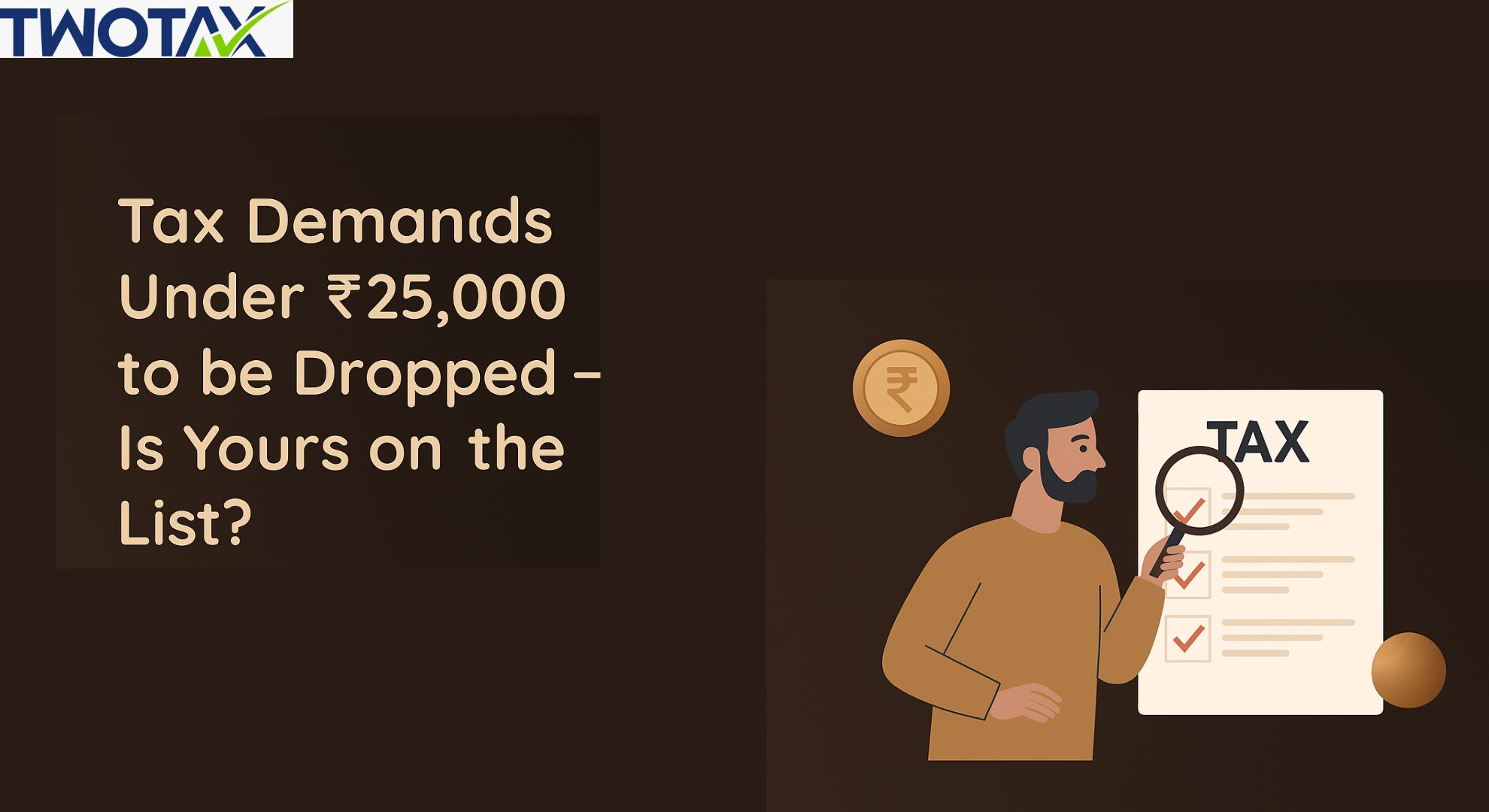
In a significant move to ease the compliance burden on taxpayers and streamline litigation management, the Central Board of Direct Taxes (CBDT) is planning to drop thousands of low-value income tax cases pending before various appellate forums. This reform will impact cases involving small tax demands and is expected to benefit salaried individuals, senior citizens, startups, and small businesses.
This initiative aligns with the government’s broader vision to enhance taxpayer experience, reduce legal clutter, and focus administrative energy on high-value, impactful litigation.
Low-value income tax cases refer to matters where the disputed amount is relatively small, typically involving tax demands between ₹10 lakh to ₹25 lakh. These cases have built up over the years, often due to technical mismatches or data discrepancies, resulting in long-standing disputes with minimal revenue potential.
For instance, a salaried employee may receive a tax demand of ₹15 lakh due to mismatched TDS data. Though the amount is disputed, the case continues for years, consuming time and energy for both the taxpayer and the department. The cost of pursuing these cases often exceeds the benefit, making them unsustainable.
The Income Tax Department, under the guidance of the CBDT and Ministry of Finance, has realized that a large number of these low-revenue cases are not only clogging the judicial system but are also creating unnecessary pressure on taxpayers.
Key reasons for this initiative include:
By dropping such cases, the department aims to free up resources, reduce pendency, and build a more trust-oriented tax system.
This change is likely to benefit a large segment of taxpayers, particularly:
Example:
A small business owner receives a ₹20 lakh tax demand after an assessment due to disallowance of certain expenses. The appeal has been pending before the ITAT for two years. Under the new proposal, this case would be considered for withdrawal if it falls under the defined threshold.
The CBDT already follows monetary thresholds for departmental appeals:
.png)
However, many older appeals filed before these limits were introduced continue to remain pending. The department now plans to extend the benefit of withdrawal to these historical cases as well.
The move to drop low-value cases will have several positive outcomes:
Case 1 – Salaried Individual
Case 2 – Small Business
If you have a pending case with a demand under ₹25 lakh, here’s how you can stay prepared:
By CA (Dr.) Arpit Yadav, Co-Founder
The government’s willingness to drop low-value tax cases is a welcome step. It shows intent to move toward a more practical, taxpayer-friendly approach that values time, efficiency, and transparency.
At TwoTax, we assist clients in:
If you're unsure whether your case qualifies under this relief measure, our expert team is here to help you every step of the way.
This initiative sends a strong signal that India’s tax administration is evolving from an enforcement-heavy regime to one focused on facilitation, resolution, and ease of compliance.
Small taxpayers can now hope to move past years of unresolved notices and focus on their personal and business growth without the cloud of prolonged litigation. This shift also supports the broader vision of building a tax system based on trust, fairness, and accountability.
Tax Partner is India’s most reliable online business service platform, dedicated to helping you in starting, growing, & flourishing your business with our wide array of expert services at a very affordable cost.