US Imposes 50% Tariffs on Indian Textiles: Impact, Challenges, and the Way Forward
Explore the impact of the US’s 50% tariffs on Indian textile exports. Understand the reasons, trade implications, affected sectors, and strategic steps for Indian exporters to adapt and thrive in a changing global market.
By Advocate, Tanvi Thapliyal August 12, 2025
India’s Textile Sector Caught in a 50% US Tariff Storm
Why sudden duties are shaking the very fabric of our industry — and what you can do.
1. The Sudden Shockwave: A Triple-Digit Tariff Jump
Early August 2025 brought a seismic jolt to India’s textile exports. The US abruptly raised import duties on select Indian products starting with a 25% “reciprocal” tariff and adding another 25% penalty by month-end, driven by India’s continued purchase of Russian oil.
Result: Indian textiles now face effective US duties approaching 50–60%, compared to single-digit rates previously. This spike immediately triggered order freezes and shipment pauses from major retailers like Walmart, Amazon, and H&M. With the US accounting for over one-third of India’s apparel exports, the disruption is not just inconvenient it’s existential.
2. Why This Matters: The Competitive Downfall
India previously enjoyed relatively favorable tariff terms in the US. Exporters could compete effectively using low-cost labor, quality output, and streamlined trade relations. The new 50%+ tariffs obliterate that balance.
Competing nations like Bangladesh, Vietnam, and Cambodia continue to face much lower tariffs (around 20%), giving them a 30–35% price edge. Textiles, ready-to-wear, home furnishings, and gems all of which rely heavily on US demand now find themselves suddenly overpriced and uncompetitive.
3. Impact on Key Export Centers & MSMEs
-
Tirupur, Tamil Nadu (knitwear): Contributes tens of thousands of crores annually, with a significant portion heading to the US. Exporters report buyers deferring orders; shipment diversions to countries like Pakistan, Bangladesh, and Vietnam have begun.
-
Noida, Uttar Pradesh (garments): Factories are sitting on completed US-bound inventory with no clarity on dispatch, leading to halted operations.
-
Surat, Gujarat (fabrics & gems): Many units now face existential threats. With gems & jewelry contributing billions through US trade, uncertainty is triggering potential layoffs and capex freezes.
-
MSMEs across regions: As highlighted by AEPC and FIEO, micro, small, and medium-sized exporters lack the margins or financial resilience to absorb sudden 50% duty hikes many fear they may not survive without relief.
4. Ripple Effects on Employment & Economy
Textiles are not just export revenue they represent livelihoods. Around 45 million Indians are employed in the sector, with 10+ million directly tied to exports. A 40–50% volume drop could threaten millions of jobs, particularly in rural and semi-urban clusters.
Beyond direct employment, the economy risks a wider slowdown. Decreased export inflows could dent current account stability, increase pressure on the rupee, and limit fiscal space especially at a time when domestic employment and rural recovery still depend heavily on trade-led growth.
5. Strategic Response: What Businesses Should Prioritize
A. React Fast and Reprice Strategically
-
Reassess ongoing contracts and renegotiate costs. Buyers are already pushing exporters to absorb tariff hikes a squeeze smaller firms cannot withstand.
-
Temporarily redirect production to domestic or alternate overseas markets. Reduce overproduction and avoid inventory pile-up.
-
Monitor shipping timelines and cash flows; streamline working capital to mitigate delays and margin pressure.
B. Expand Market Reach: Diversify Trade Exposure
-
Seek markets with lower tariff barriers Africa, EU, UK post-Brexit opportunities, Middle East, ASEAN, and intra-BRICS channels.
-
Use government-backed trade missions and FTAs (e.g., with UAE, Australia) to establish new buyer relationships.
-
Explore direct-to-consumer models via e-commerce, especially for home textiles and niche apparel segments.
C. Strengthen Financial Resilience
-
Build cash buffers and delay non-essential capital expenditures. Exporters and MSMEs should conserve liquidity amid demand uncertainties.
-
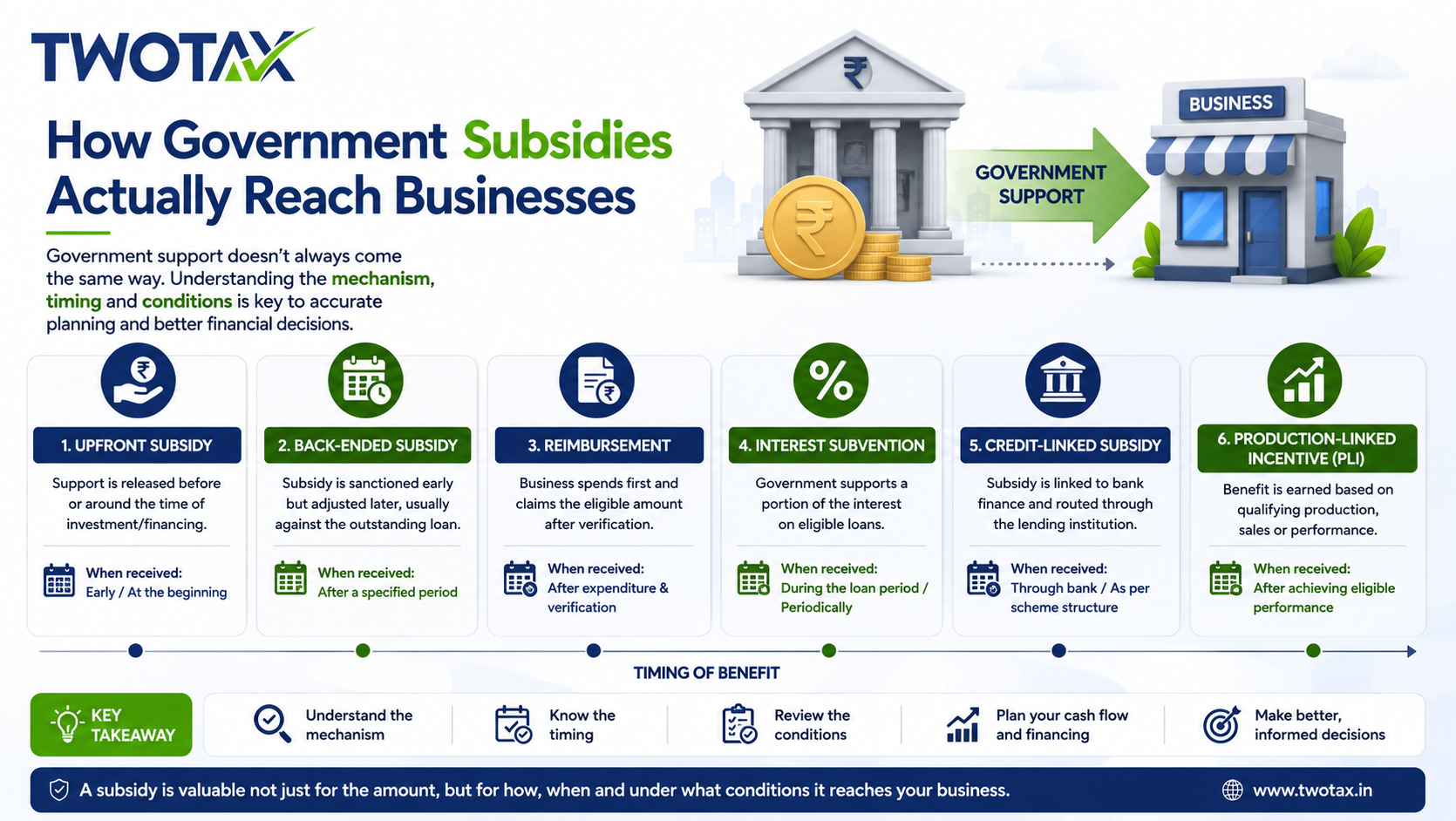
Take advantage of government credit relief schemes credit guarantee cover up to ₹40 billion, and tax and term loan support announced for affected exporters and MSMEs.
-
Work with banks to renegotiate working capital terms, manage forex hedging risks, and align payment cycles with market shifts.
6. Government Action & Policy Measures
India has pushed back diplomatically while activating support mechanisms:
-
Offering credit guarantees and export subsidies targeted at textile/garment sectors (especially MSMEs).
-
Aggressively pushing for expedited FTAs with the EU, UK, Canada, and Brazil while preparing for WTO dispute settlement over unfair tariff surges.
-
Encouraging domestic policy to enhance supply chain resilience, improve productivity, and reduce dependence on a single market.
7. Geopolitical Tensions and Trade Diplomacy at Play
Beyond textiles, broader trade relations are fracturing. US tariff escalation has impacted sectors like apparel, gems, electronics, and auto components raising fears of a long-term de-coupling.
India may need to recalibrate its geopolitical positioning: Maintain pragmatic ties with both the US and other global players, while pivoting trade focus toward emerging partners.
8. Thought Leadership from the Industry
Voices from industry leaders have captured the urgency:
-
Gokaldas Exports’ MDdescribed the 50% duty not just as a tax but as akin to a commercial embargo, warning that US buyers may soon shift sourcing entirely away from India.
-
AEPC and FIEOappealed for immediate policy support, spelling out the vulnerability of MSMEs dependent on US-led apparel exports.
-
Ratings agency Crisil highlighted that sectors like home textiles, carpets, gems, and shrimp already plagued by thin margins now face revenue collapse unless structural mitigation is deployed.
9. Lessons for Export-led Businesses
-
Never rely too heavily on a single market.Tariff regimes can shift abruptly even with friendly relations intact.
-
Build brand identity, not volume.Compete on quality, design, sustainability, price value not just lowest cost.
-
Stay agile operationally.Responsive pricing models, diversified inventory, and flexible production help manage volatility.
10. Conclusion: Resilience Lies in Agility
This yawning tariff hole may feel like a tunnel without an exit but the exit exists through strategic flexibility, diversification, and coordinated policy action. India's textile ecosystem is resilient and with careful adaptation, it can emerge leaner, more diversified, and stronger than before.